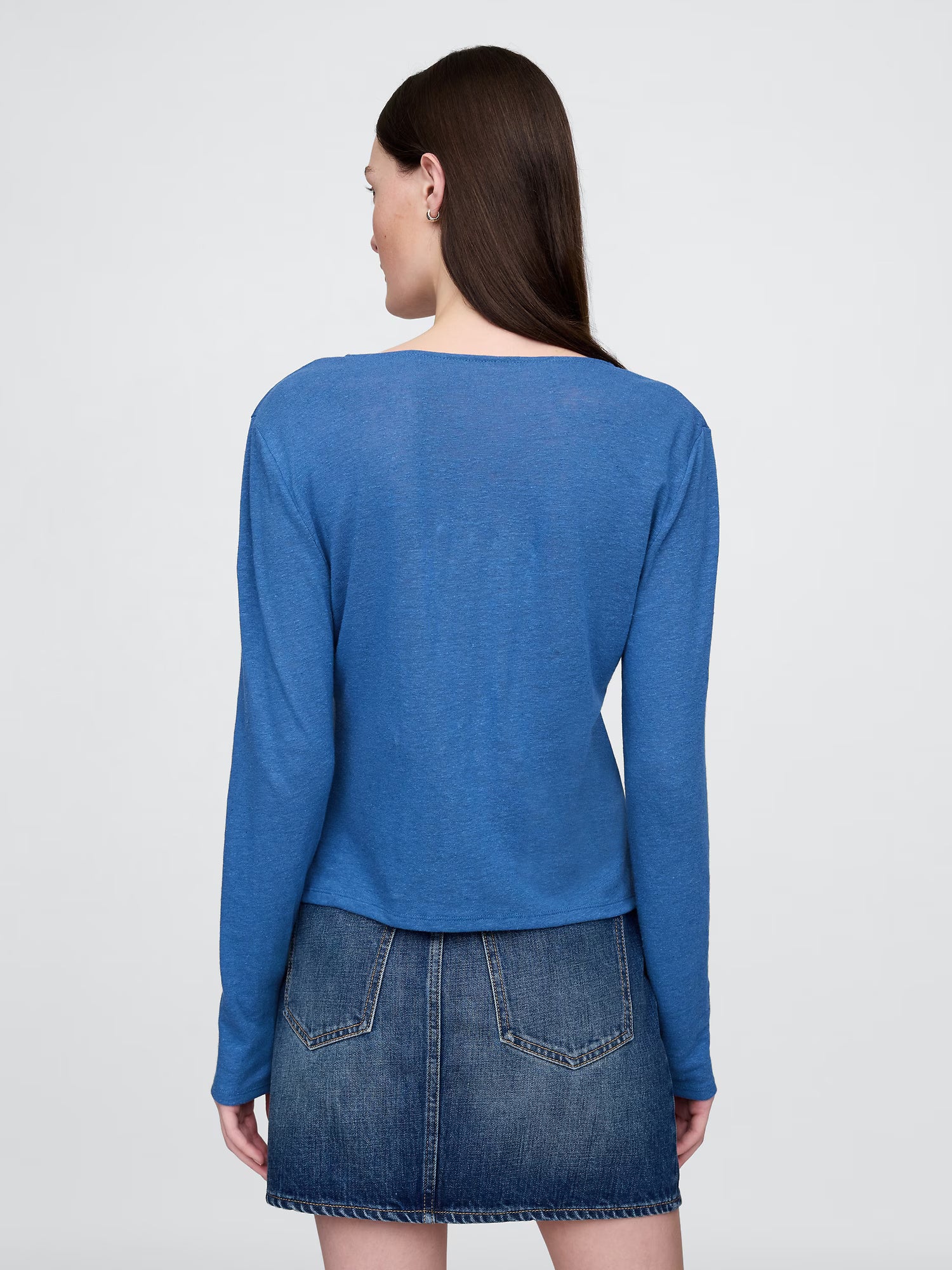
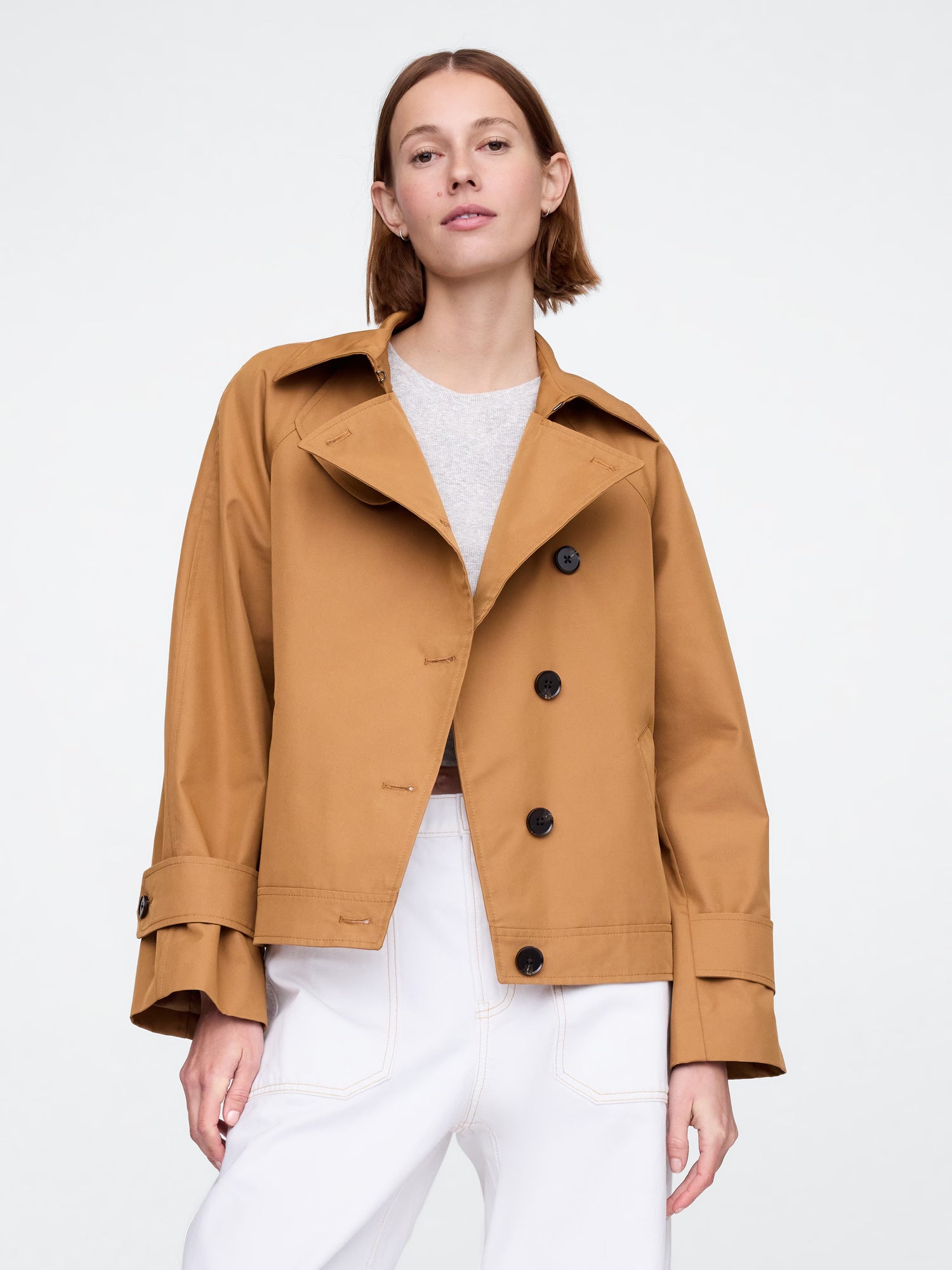
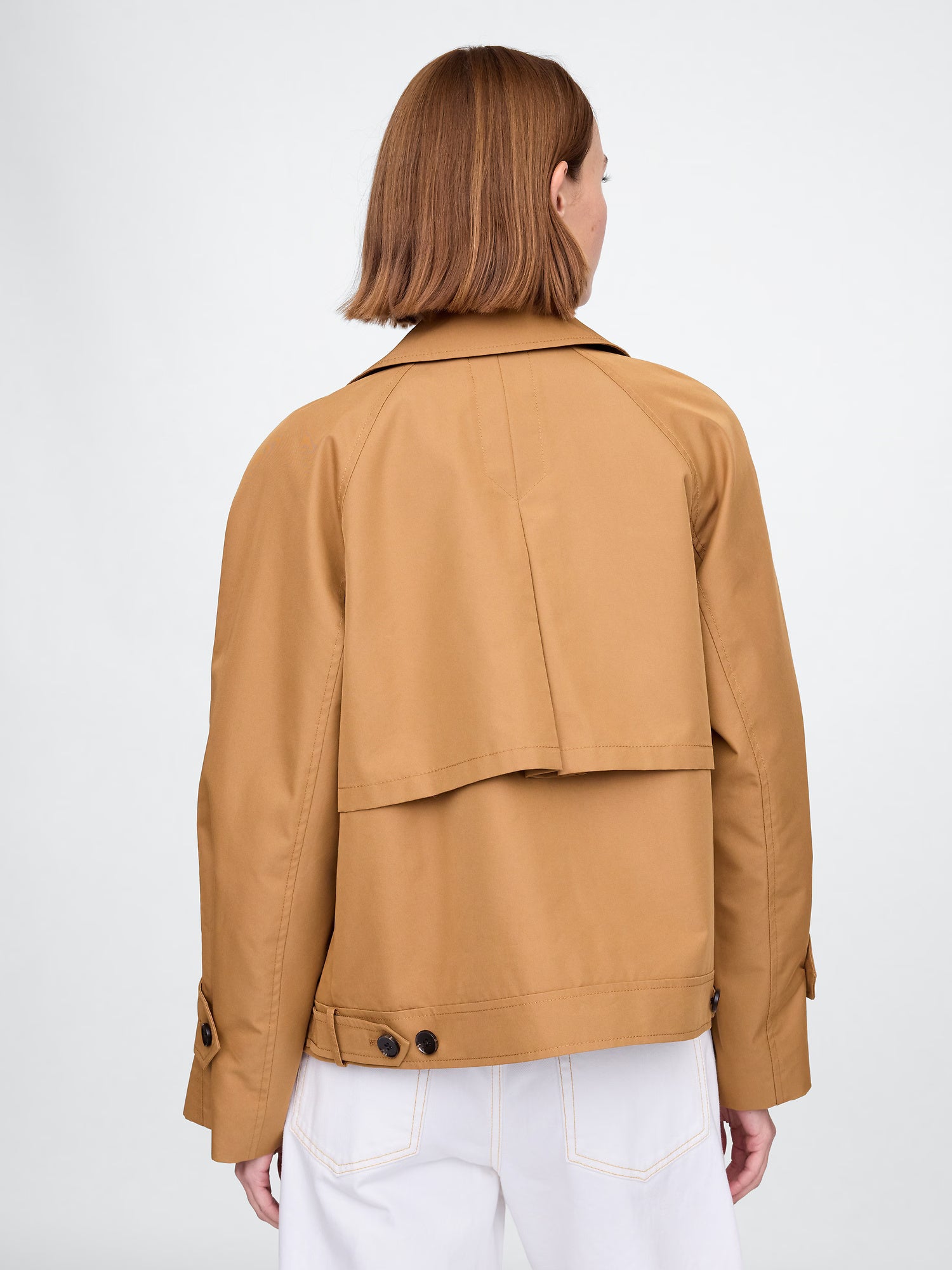
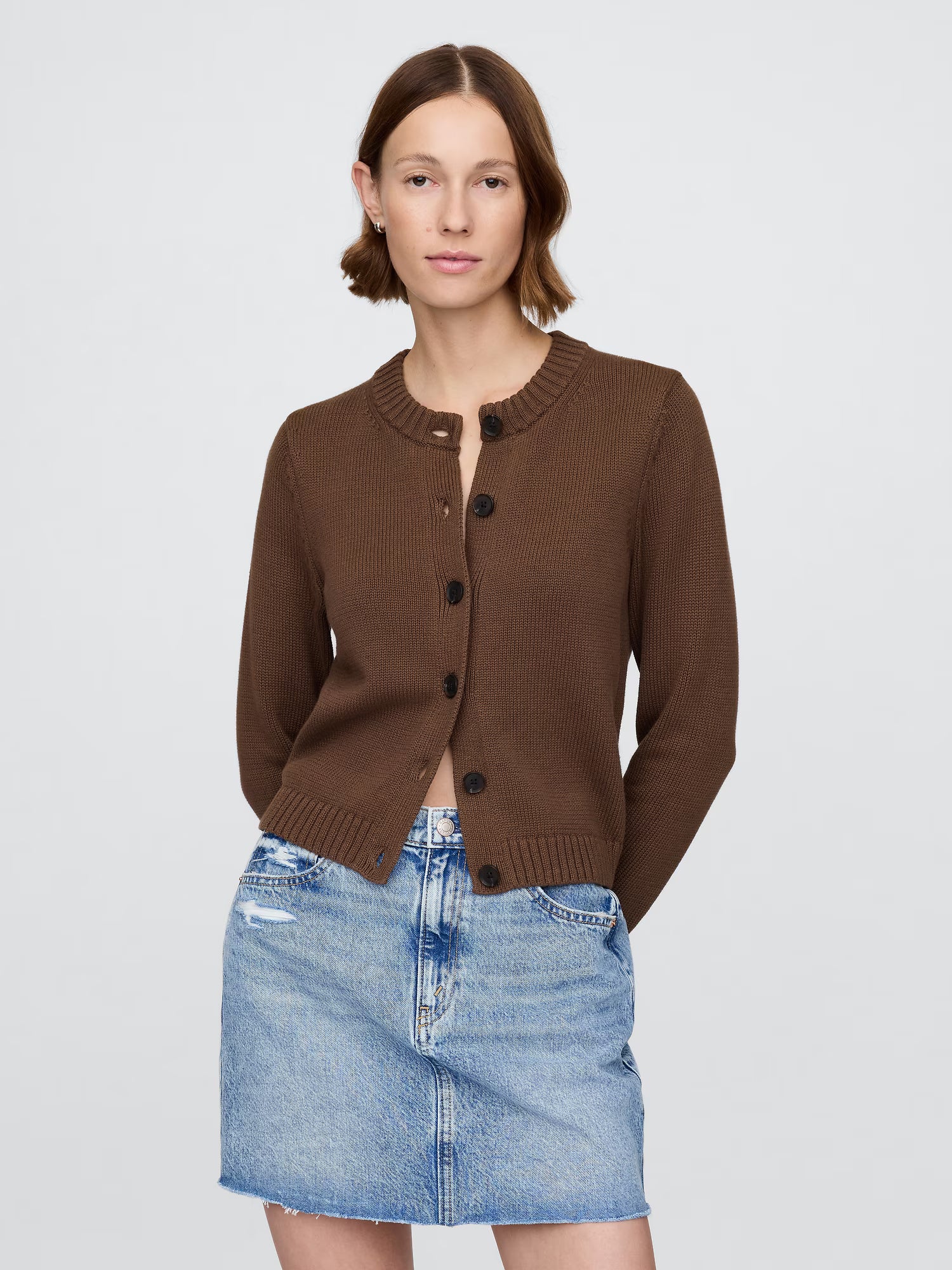
What they wore in the sky cities
They said the sky cities were silent.
Floating above the earth, tethered only by magnetics and myth, the cities drifted with a grace no architect could replicate. There was no traffic, no noise, only the whisper of wind and the rustle of garments that seemed to move before their wearers did. In the sky cities, fashion wasn’t just decoration—it was language. It was memory. It was law.
There were no spoken greetings. You arrived, and you were read—by the folds in your coat, the shimmer of your sleeves, the hue of your scarf. A navy sash meant sorrow endured and survived. A metallic lining meant authority. Transparent collars symbolized openness, while inverted cuffs hinted at secrets untold. Here, clothing wasn’t fast or disposable. It was coded, built with threads that remembered you.
Every garment was bespoke. And not just tailored to size—but to soul. Before you turned twenty, you would visit a textile oracle, who would ask no questions, only watch. Then, they’d create the first of your “known pieces”—items that held your emotional frequencies, stored memories in their seams, changed color slightly with mood or thought. These weren’t clothes to wear. They were parts of you made visible.
People often ask—did they wear bright colors in the sky cities? The answer: not as you’d expect. Brightness was regulated. You could wear luminous yellow only once every seven years—on the day your truth could no longer be hidden. Crimson was sacred, worn only during moments of personal revelation. Most days, people moved through misty neutrals, soft iridescence, and the occasional streak of starlight caught in a pleat.
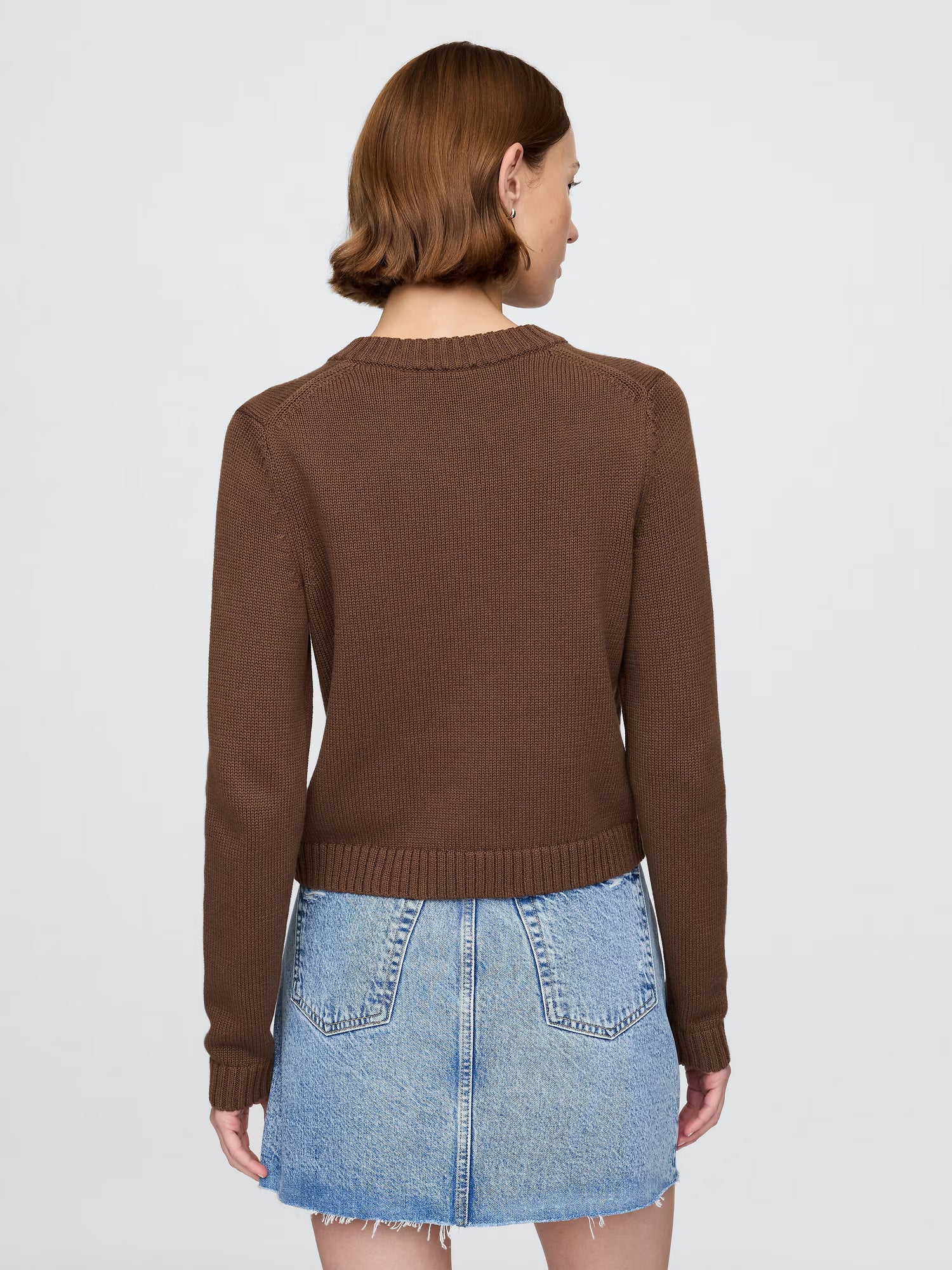
They never rushed dressing. Each morning, people would stand quietly before mirrored glass that showed not their reflection, but the version of themselves they needed most that day. Then they chose their layers accordingly. Some wore weightless robes that shifted form depending on wind. Others preferred structured capes that conveyed resilience. Belts held more than fabric—they carried memory stones, tiny capsules from past lives worn like charm tokens.
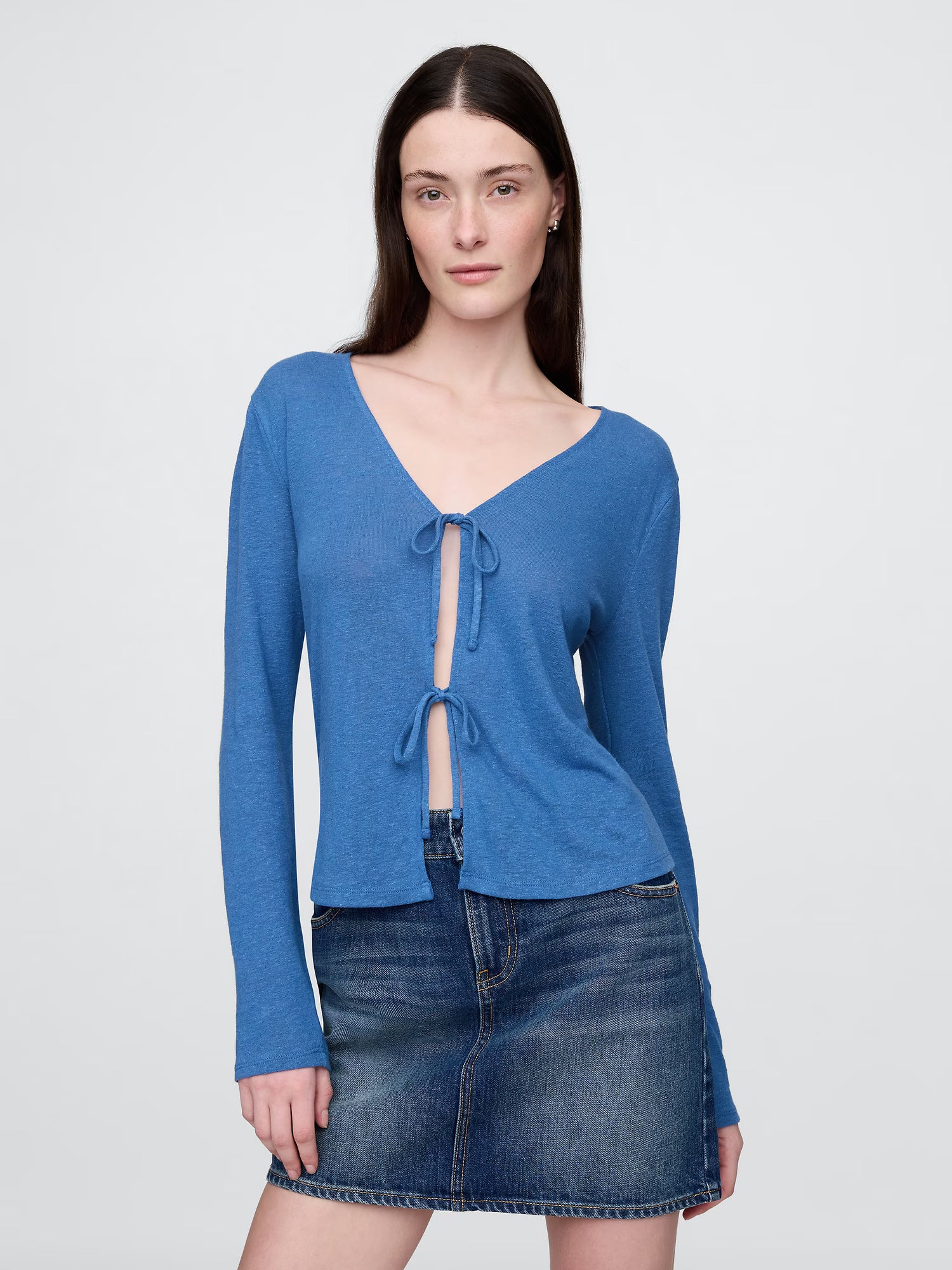
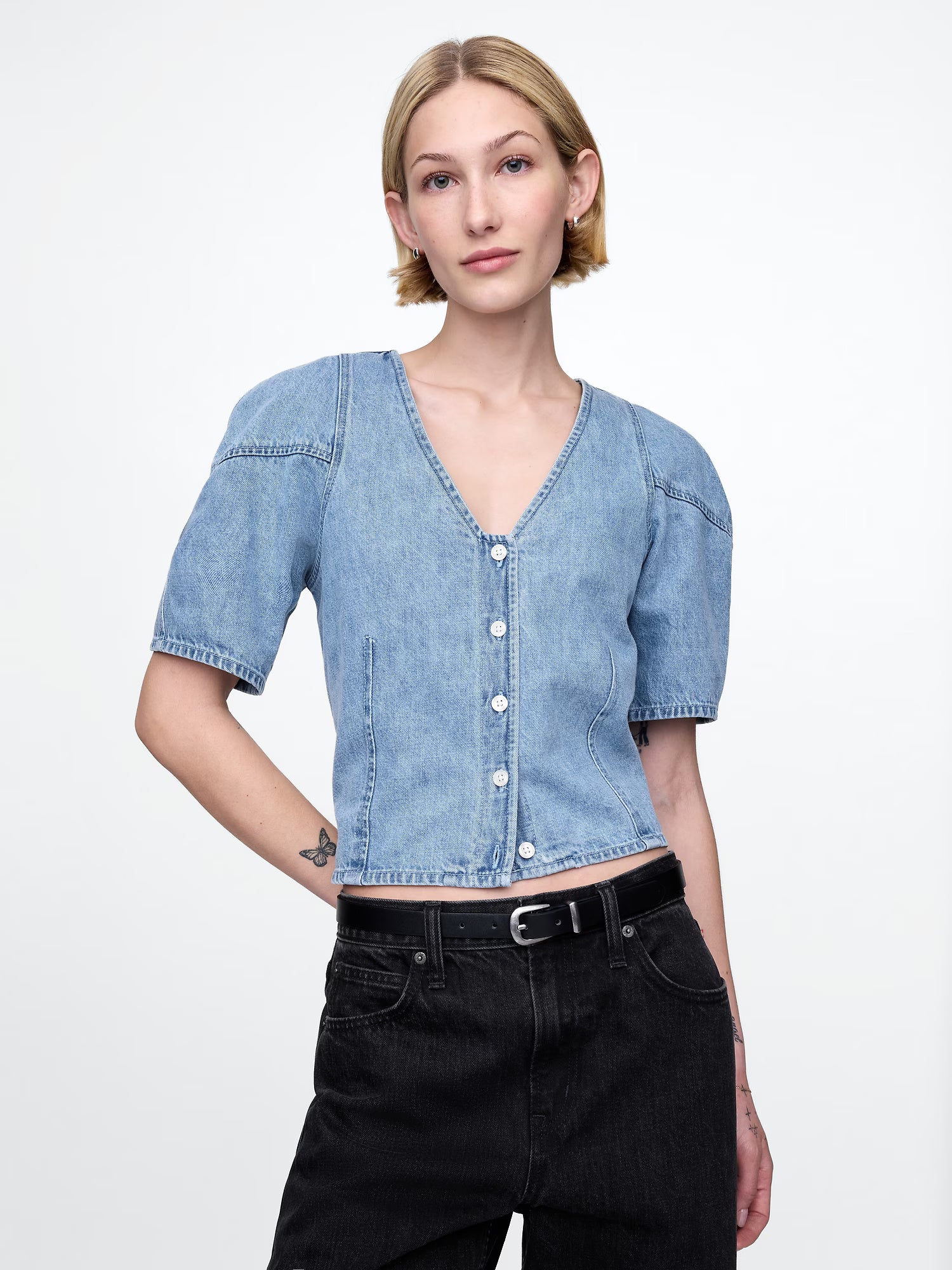
Buttons were rare. Closures were magnetic, or emotional—responding only to your touch when you were calm enough to open them. Zippers were banned, not for aesthetic reasons, but because they were too abrupt, too final. In the sky cities, all transformation had to be slow, deliberate, earned.
Shoes were optional. The floors were warm, built from a material that recognized the shape of your soles and supported you. Those who chose to wear footwear did so for symbolism—sandals for openness, boots for boundary, glass heels for those reclaiming fragility as strength.
Perhaps the most fascinating thing: they had no mirrors in public. No photos. No runways. Fashion wasn’t for spectacle, but for self. You didn’t dress to be seen. You dressed to see yourself more clearly.
People left their clothes to family when they passed. Not folded, not boxed, but hung in wind gardens where they danced for weeks, slowly fading into the air. In time, pieces disappeared, but the energy remained—woven invisibly into the next garments made, like echoes continuing forward.
And when outsiders visited—rare, but it happened—they asked: isn’t it exhausting, this level of attention to how you dress?
The sky citizens would only smile.
No, they would say. It’s not exhausting. It’s remembering. Every day, we remember who we are becoming.